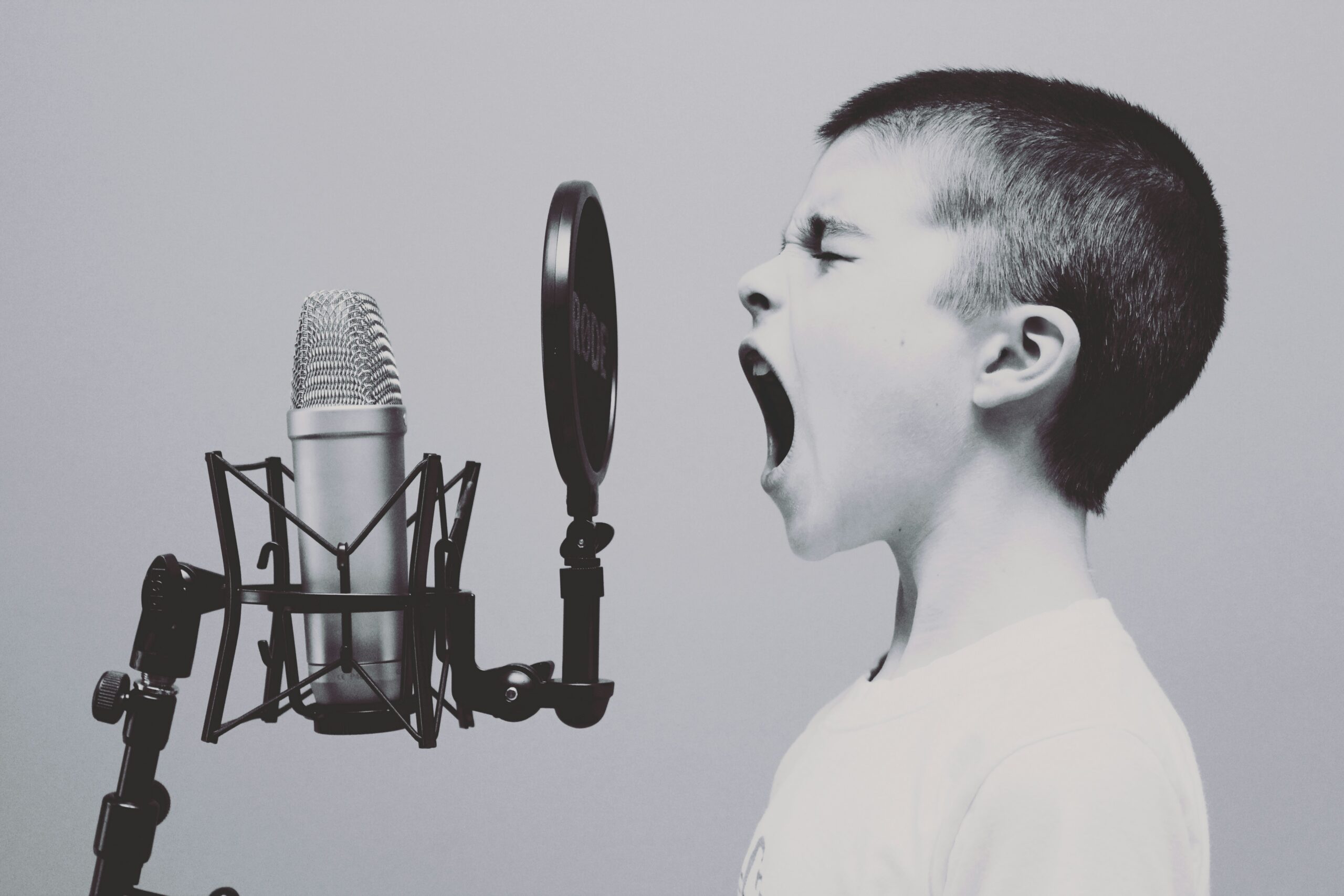
Singing isn’t just artistic, it’s physiological, emotional and deeply human. It brings the body, breath and mind into alignment in a way few practices do.
My aim is to make every singing lesson fun, insightful and, most importantly, comfortable. I understand that singing can feel vulnerable, so I focus on creating a relaxed, supportive space where you feel at ease.
Your Lesson:
Each lesson is tailored to your individual goals, gently encouraging you beyond your comfort zone so you can grow in confidence and develop your voice.
Suitable for all ages and abilities. I’d love to take you on this journey of self expression.
About Cynthia:
Cynthia is an experienced singer, songwriter and vocal coach who has helped guide the vocal journeys of many recording artists.
Having shared the stage with artists such as The B-52s and Wilco, she also brings a wealth of industry experience to her teaching.
She creates a warm and supportive space where singers can grow in confidence and develop their voice.
Send A Message

Testimonials:
Jimmy Gnecco, lead singer of OURS
“When I first heard Cynthia sing I felt, wow I need to learn how to give all of myself to the notes like that. The palette of colors that her voice was providing was beyond anything that I had ever heard before. She opened up my world to so many more possibilities”.
Kira Violet, lead singer of She Sees Faeries
“I’ve been taking voice lessons for years, training my voice in classical music, musical theatre, and even opera. But once I started writing music, I felt there was a fundamental adjustment that was needed to help me tell more of the story of my music.
Working with Cynthia immediately started putting me into a headspace and a technical space where my voice could follow the journey of my emotions. After my first lesson, I felt a noticeable difference in my rehearsals, and as I take regular lessons, I’m constantly learning and growing in maintaining a voice that can tell a story, while emotionally staying confident in myself.
Cynthia is always the first to help me eliminate negative self-talk, while simultaneously giving me actionable ways to not only improve, but to look at the beauty of songwriting music and performance in an entirely new light. She’s equally a voice teacher and a life, career and spiritual coach, guiding me along my journey and helping me uncover my purest sound, encouraging me to strive not for unreachable perfection, but for excellence!”
Stacy H., Energy & Sound Healer
“Cynthias patience & creative, out of the box ways of helping me find a more confident speaking voice have me coming back time & time again. I have& will continue to recommend her to both newbies & seasoned singers.”
Why Singing Matters:
Singing regulates the nervous system
Singing naturally slows and deepens the breath, stimulating the Vagus Nerve—which helps shift the body out of stress and into a calmer, more balanced state.
(Neuroscience and breathwork studies show improved heart rate variability and relaxation).
Singing reduces stress and anxiety
Group and solo singing have been shown to lower cortisol (the stress hormone) and increase feelings of well-being.
(Baked by studies from organizations like the American Psychological Association and research published in journals on music and health).
Singing boosts mood and connection
Singing releases endorphins and oxytocin—chemicals linked to pleasure, bonding, and trust. This is especially strong in group singing environments.
Singing improves breathing and posture
Good singing technique strengthens the diaphragm, encourages fuller lung use, and supports healthy posture over time.
(Vocal pedagogy and respiratory studies in Voice Science).
Singing sharpens focus and memory
Learning melodies, lyrics, and coordination between breath and sound engages multiple parts of the brain at once—supporting cognitive function.
Singing builds confidence and self-expression
Singing gives you a direct, personal way to express emotion—often increasing confidence, presence, and communication skills over time.
Singing creates a sense of belonging
Whether in lessons or groups, singing connects people. Shared sound fosters a feeling of unity that’s hard to replicate elsewhere.
(Community music research and studies on collective singing and social cohesion).